What to Do After a Car Accident: A Step-by-Step Guide to Filing an Insurance Claim in the USA
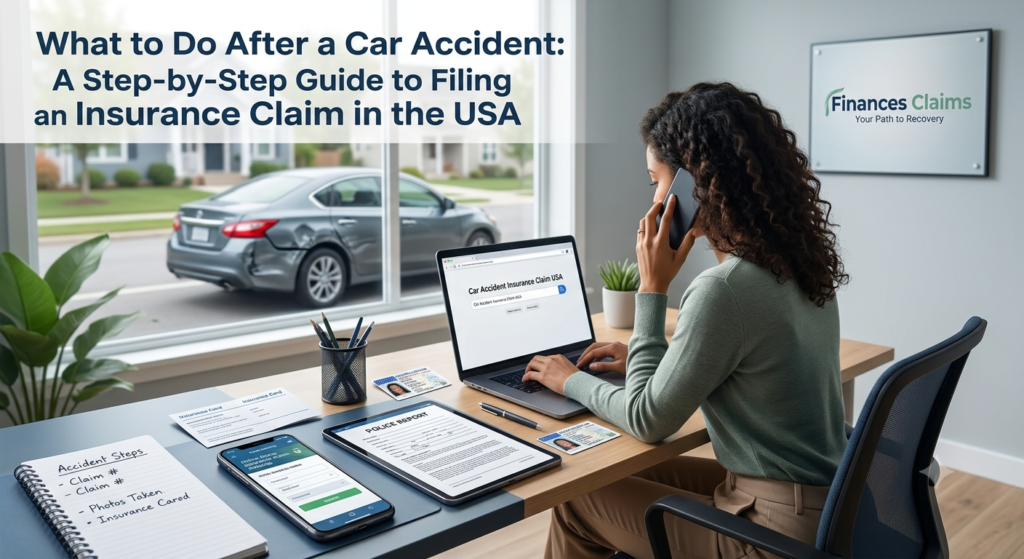
Being involved in a car accident is a jarring and stressful experience. Beyond the immediate physical shock, the financial and legal aftermath can feel overwhelming. In the United States, the process of filing an insurance claim is governed by complex regulations that vary significantly from state to state. Whether you are dealing with a minor fender bender or a major collision, knowing exactly how to navigate the insurance landscape is crucial to ensuring you receive the compensation you deserve.
1. The Immediate Aftermath: Ensuring Safety and Documentation
The first few minutes after an accident are critical. Your actions here will serve as the foundation for your insurance claim later on.
- Prioritize Safety: Immediately check yourself and your passengers for injuries. If the vehicles are drivable and obstructing traffic, move them to the side of the road if possible, but prioritize human life and safety above all else.
- The Police Report: Never skip calling the police, even for “minor” accidents. In many states, a police report is the single most important document during the claim process. It provides an objective, third-party account of the event, which insurance adjusters heavily rely on to determine liability.
- The Art of Documentation: In the digital age, you have the power to build your case on the spot. Take high-resolution photos of the vehicle damage from multiple angles, the road conditions, traffic signs, and the position of the vehicles. Furthermore, obtain the insurance and contact information of the other driver, and if there are witnesses, collect their contact details as well.
2. Understanding Your Policy and Coverage Types
Before filing, you must understand what your insurance policy actually covers. Many drivers pay for coverage they don’t fully understand.
- Liability Coverage: This is mandatory in almost every U.S. state. It covers the damage and injuries you cause to others.
- Collision Coverage: This covers repairs to your own vehicle, regardless of who was at fault.
- Comprehensive Coverage: This protects you against non-collision incidents like theft, fire, or weather damage.
- Uninsured/Underinsured Motorist Protection (UM/UIM): This is vital. If the person who hits you has no insurance or insufficient coverage, this provision acts as your safety net.
3. The Claims Process: A Strategic Approach
When you are ready to file, follow these steps to maximize your chances of a successful outcome:
Step A: Timely Notification Most insurance policies have a “duty to notify” clause. You should report the accident to your insurer as soon as it is safe to do so. Delaying this process can lead to suspicious investigations by the insurance company.
Step B: The Initial Conversation with the Adjuster You will be assigned a claims adjuster. Remember: their goal is to minimize the company’s payout. Provide factual information, but avoid speculating. Never say “I’m sorry” or “I think it was my fault,” as these statements can be used against you to deny or reduce your claim.
Step C: The Investigation The adjuster will examine the police report, talk to witnesses, and review the medical reports. This phase is where your detailed documentation from the accident scene becomes your strongest weapon.
4. Navigating Medical Claims and Personal Injury
If you were injured, the complexity of your claim increases tenfold. Insurance companies often look for “gaps in treatment.” If you wait too long to see a doctor, they may argue that your injuries were not caused by the accident but by a pre-existing condition.
- Keep Detailed Records: Maintain a folder of every medical bill, prescription receipt, and diagnostic report.
- The “Pain and Suffering” Component: In the U.S., you may be entitled to non-economic damages. Keep a journal of your physical pain, emotional distress, and how the injury has limited your daily quality of life.
5. Common Pitfalls to Avoid
Many claimants sabotage their own cases unintentionally. Avoid these mistakes:
- Accepting the First Offer: Insurance companies often offer a “quick settlement” to get you to sign away your rights. These offers are usually far below the actual value of your claim.
- Posting on Social Media: Anything you post regarding your accident or your physical condition can be used by the insurance company to discredit your claim.
- Failing to Follow Medical Advice: If your doctor prescribes physical therapy and you miss sessions, the insurance company will use this as evidence that your injuries aren’t as severe as you claim.
6. When to Seek Legal Counsel
If the accident resulted in significant injuries, a fatality, or if the other party is disputing liability, you should consult with a personal injury attorney. Insurance companies treat claims represented by lawyers differently because they know the claimant is aware of their legal rights.
Conclusion: Your Road to Recovery
Filing an insurance claim is a marathon, not a sprint. By staying organized, keeping clear records, and understanding the specific requirements of your state’s insurance laws, you can turn a stressful situation into a manageable process. Remember that the goal is not just to get money, but to be restored to the position you were in before the accident occurred.
لجعل المقال أكثر قوة وموثوقية أمام محركات البحث (SEO)، يجب أن يتضمن روابط خارجية (External Links) توجه القارئ إلى مصادر موثوقة (مثل المواقع الحكومية أو المؤسسات التأمينية الكبرى). هذا يعزز من مصداقية موقعك Finances Claims ويُظهر لمحركات البحث أنك تقدم محتوى مدعوماً بمصادر.
إليك كيفية دمج هذه الروابط في الفقرة الختامية، مع اقتراحات لروابط خارجية عالية الجودة:
الختام مع الروابط الخارجية (مقترح):
Conclusion: Your Road to Recovery
Navigating the aftermath of a collision is undoubtedly one of the most challenging experiences you will face. However, by staying organized, documenting every detail, and following the structured process outlined in this guide, you can successfully manage your car accident insurance claim and significantly improve your chances of a fair settlement. Remember that insurance adjusters are trained to minimize payouts; therefore, having clear evidence, being cautious with your statements, and understanding your policy’s specific coverage are your strongest assets.
If you are unsure about state-specific regulations, it is highly recommended to consult the National Association of Insurance Commissioners (NAIC) for standardized guidance on consumer protections. Furthermore, if you are dealing with significant injuries, reviewing the safety protocols and reporting standards from the National Highway Traffic Safety Administration (NHTSA) can provide you with essential context for your case.
Whether you are dealing with minor repairs or significant personal injury damages, remember that you do not have to face this alone. If the complexity of your car accident insurance claim becomes overwhelming or if liability is being disputed, seeking professional legal or insurance consultation is a proactive step toward protecting your long-term financial security. By prioritizing your health and diligently managing your car accident insurance claim from start to finish, you ensure that you are fully restored and that justice is served. If you found this information helpful, we invite you to explore our other articles on liability and business insurance to further protect your assets and peace of mind.