Choosing a vehicle is a major financial decision. In 2026, reliability remains the top priority for car owners seeking to minimize repair costs and maximize peace of mind. Here is your comprehensive guide to the most dependable automotive manufacturers.
1. The Value of Reliability
A reliable car does more than just start in the morning; it holds its resale value better, requires less frequent maintenance, and provides consistent performance over many years.
2. How We Rank Reliability
Reliability is measured by a combination of data points: frequency of repair shop visits, severity of issues, and long-term durability reports from real-world owners.
3. Top Brands to Watch in 2026
While market leaders change, some brands consistently maintain high standards of engineering and quality control across their lineups.
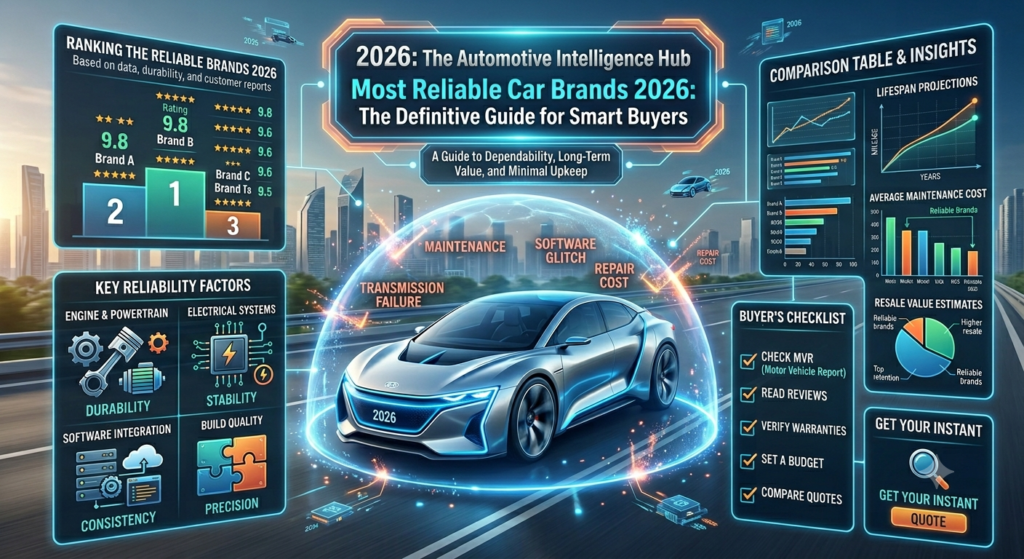
4. Comparison Table: Reliability Leaders
| Brand | Reliability Rating | Primary Strength |
| Toyota | Exceptional | Longevity |
| Lexus | Top Tier | Minimal repairs |
| Honda | High | Engine durability |
| Mazda | Consistent | Mechanical simplicity |
5. Toyota: The Gold Standard
Toyota continues to lead the market, leveraging decades of experience in hybrid technology and robust manufacturing processes that prioritize longevity.
6. Lexus: Refinement Meets Durability
Lexus remains the most reliable luxury brand, offering a seamless ownership experience that balances premium comfort with “bulletproof” engineering.
7. Honda’s Engineering Edge
Honda excels in creating engines that are both efficient and resilient, making their sedans and SUVs a staple for families who demand high mileage performance.
8. Mazda’s Mechanical Focus
Mazda has gained a reputation for avoiding overly complex technology, opting instead for refined, high-quality components that rarely fail.
9. The Role of Regular Maintenance
Even the most reliable brand requires care. Following the manufacturer’s service schedule is the single most important factor in keeping your vehicle on the road for 200,000+ miles.
10. Researching Model-Specific Data
Reliability varies by model. Always check site-specific data for the exact trim and year you are considering, as even top brands have occasional outliers.
11. Avoiding “First-Year” Models
When a brand introduces a brand-new model, it often takes a few years for engineers to iron out the “teething issues.” Buying in the third or fourth year of a cycle is often safer.
12. Understanding Warranty Coverage
A strong warranty is a testament to the manufacturer’s confidence in their product. Look for brands that offer extended powertrain warranties as a standard feature.
13. Safety Tech and Its Impact
While modern driver-assistance tech is great for safety, it can be expensive to repair. Reliable brands are now prioritizing the long-term calibration of these sensitive systems.
14. Using Reliable Resources
For real-time reliability data, consult platforms like Consumer Reports or J.D. Power to track long-term trends.
15. The Importance of Fuel Economy
Reliability isn’t just about repairs; it’s about efficiency. Brands that build reliable cars are often the ones that have perfected their fuel systems.
16. Driving Habits Matter
Aggressive driving, rapid acceleration, and delayed oil changes can degrade even the most reliable engine. Drive smart to help your car last longer.
17. Evaluating Resale Value
Reliability is a direct contributor to resale value. Brands that rank high in dependability reports typically lose the least amount of value over five years.
18. Community Feedback
Forums and owner groups are excellent resources. Real owners share common issues that might not appear in official reports until much later.
19. Considering Hybrids and EVs
The 2026 market shows that established brands are now applying their reliability standards to electric and hybrid powertrains, often with great success.
20. Conclusion: Making the Right Investment
Selecting one of the most reliable car brands in 2026 is an investment in your financial future. By prioritizing brands with proven track records, you ensure your vehicle serves you well for years to come.
21. Taking the Next Step: Tools and Resources
Reliability is only one part of the car-buying equation. To make an informed decision, you must also consider insurance and long-term financial planning. If you are preparing to purchase a vehicle, I highly recommend checking out our comprehensive guide on Tips for High-Risk Drivers to understand how your vehicle choice impacts your insurance premiums. Furthermore, for objective, independent evaluations of vehicle safety and longevity, always cross-reference your findings with industry-leading databases such as Consumer Reports and the National Association of Insurance Commissioners (NAIC) for consumer rights information. Taking these proactive steps will ensure you are protected both on the road and in your bank account.